‘Paul Is Dead’: The Beatles Rumour That Took Over 1969
Subject: Rumour that Paul McCartney died and was replaced
Event: Alleged death 1966; rumour spread September–November 1969
First report: Drake Times-Delphic, 17 Sep 1969 · Last checked: 4 Nov 2026
Location: U.S. campuses and radio; London; Campbeltown, Scotland
Status · Grade: DEBUNKED (subject’s current condition: alive, by all available evidence)
ARCHIVE FILE · Event year: 1969 (rumour dated from 1966). This is not breaking news. It’s part of the Redacted Weekly evergreen archive.
What happened
The theory goes like this: Paul McCartney died in a car crash in 1966, and the other Beatles quietly replaced him with a look-alike. Out of guilt, they hid clues to the truth in their songs and album covers. It’s one of the most famous urban legends in pop music, and its spread in the autumn of 1969 can be traced almost day by day, per Wikipedia’s sourced history.
On 17 September 1969, Tim Harper, an editor at the Drake Times-Delphic, the student paper at Drake University in Des Moines, Iowa, published “Is Beatle Paul McCartney Dead?” The Drake University library marked the 40th anniversary in 2009. The article cited clues going around campus, including a phrase some heard as “turn me on, dead man” when “Revolution 9” was played backwards.
The footage
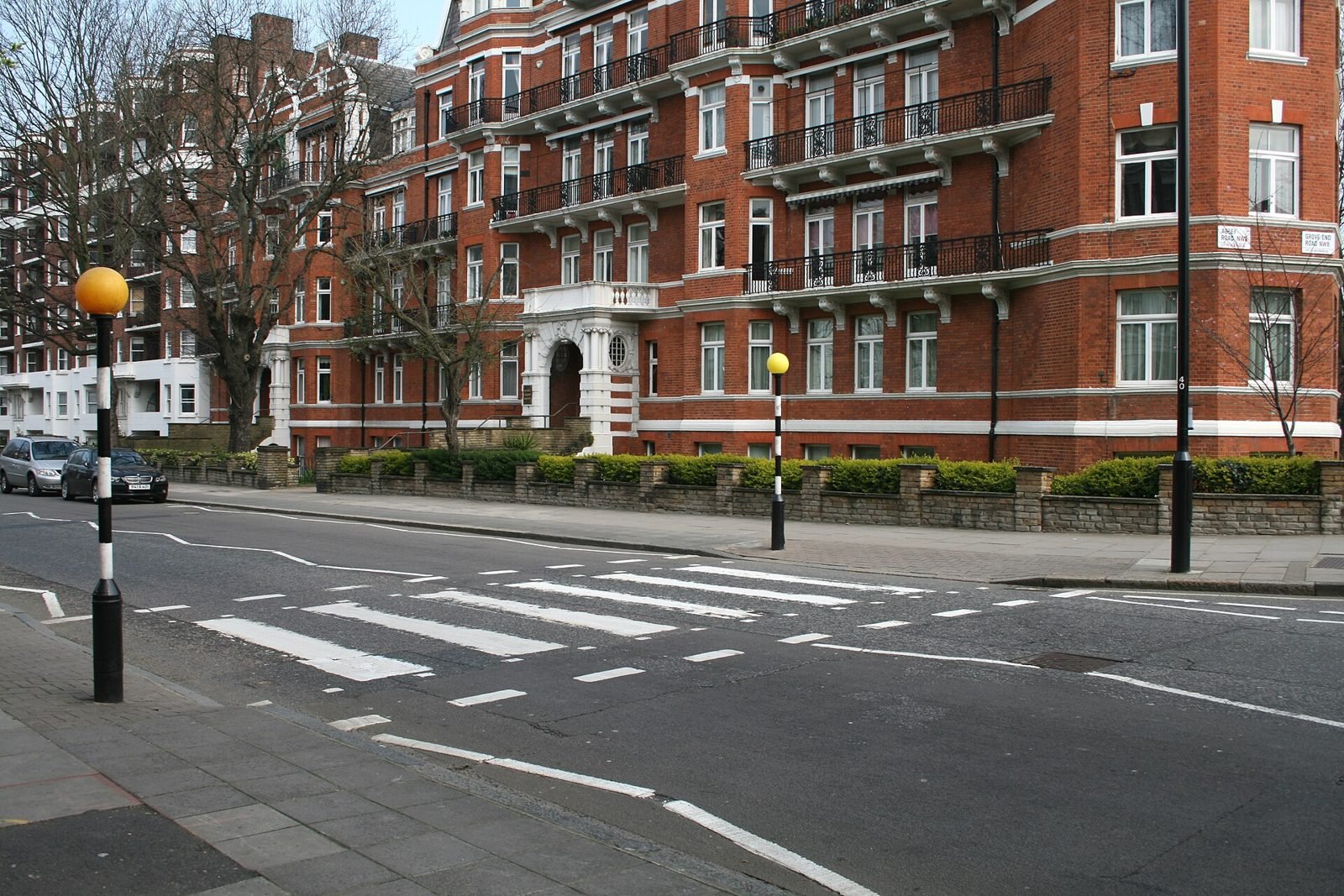
Video: “Illinois student newspaper retracts 1969 story on rumors of Paul McCartney’s death,” CBS News Chicago, uploaded 26 September 2023, 1 min 20 s. Embedded from CBS News Chicago’s official YouTube channel. CBS reports that the Northern Star at Northern Illinois University apologized and retracted its September 1969 rumour column. The staff wrote: “We truly apologize for our contribution to supporting an unfounded conspiracy theory.” The CBS article adds that the 1969 column was plagiarized. The famous album cover is copyrighted, so we’re not reproducing it. The featured image is a 2007 public-domain photo of the real Abbey Road zebra crossing.
Timeline
- September 1966: Tony Barrow, the Beatles’ press officer, says Fleet Street reporters started calling him about rumours of McCartney’s health, and even death.
- Early 1967: A London rumour says McCartney was killed on the M1 on 7 January; The Beatles Book denies it in February.
- 17 September 1969: The Drake Times-Delphic runs Harper’s article.
- 23 September 1969: The Northern Star runs “Clues Hint At Possible Beatle Death.”
- Late September 1969: Abbey Road is released.
- 10 October 1969: Derek Taylor addresses “a flood of inquiries.”
- 12 October 1969: WKNR-FM’s Russ Gibb takes the rumour on air.
- 14 October 1969: The Michigan Daily runs LaBour’s review.
- 21 October 1969: WABC’s Roby Yonge is pulled off the air, and the press office calls the story “a load of old rubbish.”
- 22–26 October 1969: McCartney goes to Scotland; Chris Drake interviews him on 24 October, and it airs on 26 October.
- 7 November 1969: Life publishes its McCartney interview.
- 1993: McCartney releases the live album Paul Is Live.
- 2013: PPP finds 5% of U.S. voters believe the theory.
- September 2023: The Northern Star retracts its 1969 column.
What witnesses reported
The radio night. On 12 October 1969, a caller to Detroit’s WKNR-FM told DJ Russ Gibb about the rumour. According to http://michigantoday.umich.edu/2009/11/story.php?id=7565&tr=y&auid=5578331″ target=”_blank” rel=”noopener”>Michigan Today, Gibb was skeptical at first but became intrigued once the caller explained the hidden clues, and the discussion ran for an hour. Student Fred LaBour was listening.
The review. Two days later, the Michigan Daily ran LaBour’s satirical Abbey Road review, “McCartney dead; new evidence brought to light.” It began: “Paul McCartney was killed in an automobile accident in early November, 1966, after leaving EMI recording studios tired, sad, and dejected.” LaBour invented a lookalike he called an “orphan from Edinburgh named William Campbell,” and he falsely claimed “walrus” is Greek for “corpse.”
LaBour, 40 years on. He told Michigan Today he was astonished when the national press took the piece seriously: “The story was quoted extensively everywhere. First the Detroit papers, then Chicago, then, by the weekend, both coasts.” Actress Christine Lahti, then a University of Michigan student, said of the backwards records: “After a point you started to hear it, just by the power of suggestion.”
What the research found
The clues (claims, not evidence).
Log in to view the rest of this file
The rest of this file is open to any agent: free accounts get full access.
Log InCreate a free account