Night Noises on One Camera at a Wildlife Rescue
Subject: Music and train sounds on one overnight camera
Event: Night recording, September 2026 (exact date not published)
First report: Derbyshire Times, 23 Sep 2026 · Last checked: 4 Nov 2026
Location: Mansfield Wildlife Rescue, Shire Road, Pleasley Vale, Derbyshire, England
Status · Grade: Unexplained by the centre · Ghosts UNVERIFIED
What happened
On 23 September 2026 at 12:45 BST, the Derbyshire Times published “WATCH: Ghostly footage captured at Derbyshire wildlife rescue centre.” The paper said “cameras picked up old fashioned ballroom music and steam train sounds” at night, “when no one was on site,” and “only picked up on one of the numerous 24-hour security cameras.” Founder Cheryl Martins, the charity’s public spokesperson, linked the sounds to the site’s past.
The footage
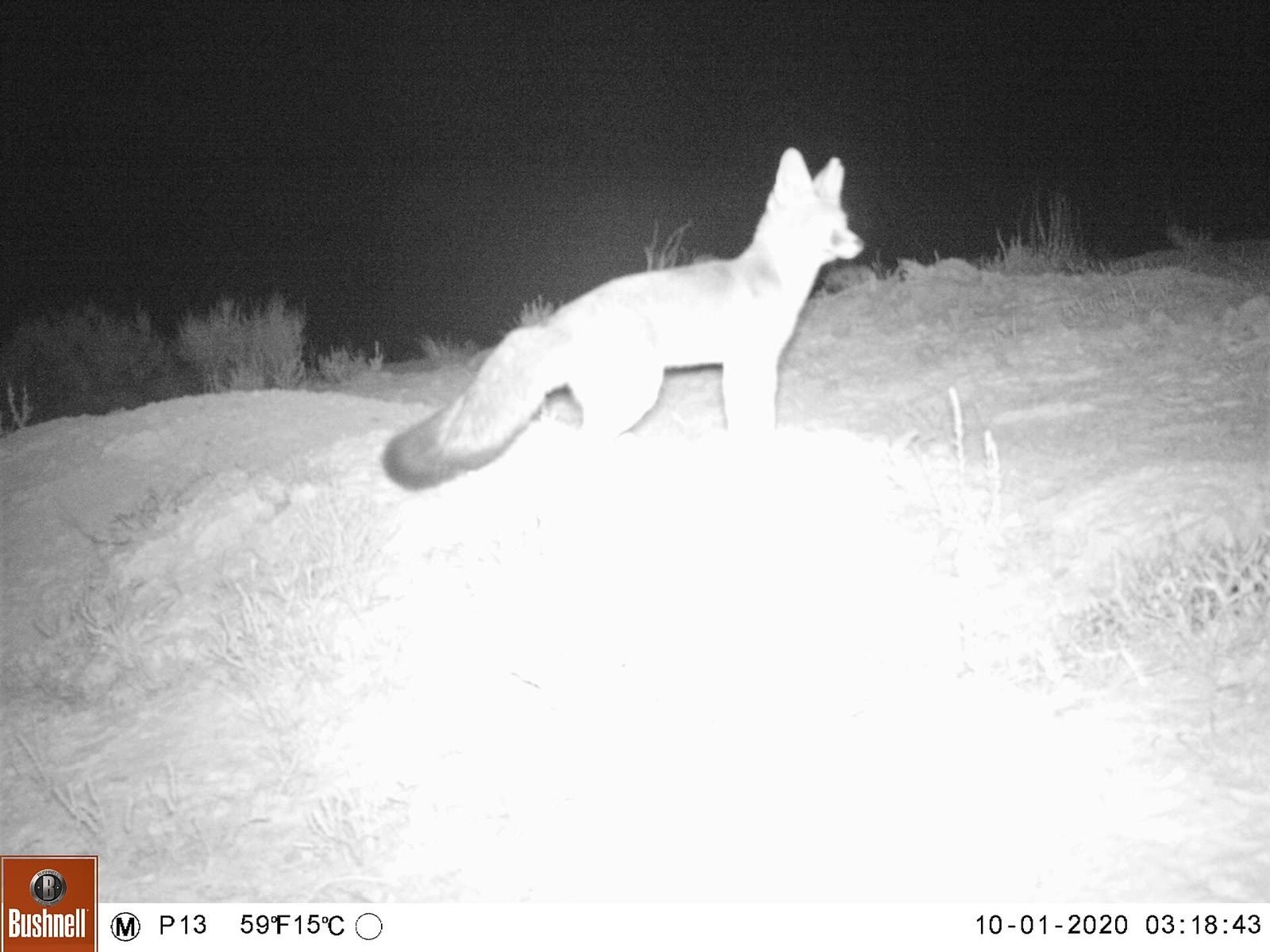
The clip sits inside the Derbyshire Times article. Its main content is audio. The article gives no length, no recording date and no camera location, so timestamps can’t be cited. The paper credits the centre as the source. Any judgement rests on the audio alone, with no independent copy and no raw file.
Timeline
- 1660–1770: Iron forges operate at Pleasley Vale (Nottinghamshire HER).
- 1784–1785: Henry Hollins and partners build a cotton-spinning mill on the forge and corn-mill site.
- 1913: The third of the Pleasley mills is completed (Pleasley Vale Business Park).
- 2015: Nees and Phillips publish their auditory-pareidolia study.
- 16 November 2022: Chad reports that the rescue is moving to a “former council plant nursery, on Shire Road.”
- September 2026: The overnight recording.
- 23 September 2026, 12:45 BST: Derbyshire Times publishes.
What witnesses reported
Martins told the paper: “We have so many strange and unexplained things happen here after dark — sounds, sights, things we can’t explain.” On the clip, she said: “Only one of our many cameras picked up these sounds — and at the time, there was nobody on site at all, no staff, no visitors, no cars, absolutely no one around.” She added: “if anyone had been playing music or making noise, every single camera would have picked it up… but only this one did.”
What the research found
One microphone is the key fact, and it cuts against a ghost. A sound in the air near several cameras would reach several microphones. A sound on only one points to that unit: its position, its gain, or its electronics. Cheap microphones and audio cables can turn radio signals into audible sound. The Sound & Video Contractor and amateur-radio guides describe RF entering wiring and being “demodulated” by non-linear parts, with AM broadcasts especially easy to recover. Music heard on a single camera is a classic symptom of this.
Log in to view the rest of this file
The rest of this file is open to any agent: free accounts get full access.
Log InCreate a free account